Rescue dog bites leash


When dogs are biting leashes, don’t let them think of it as a game. Meaning don’t play tug of war with your dog over the leash or drag the dog if they refuse to move. Remember with rescues to not automatically use adversives, there is a much more humane and successful method. If you and your dog our snuggled on your sofa put the leash on your dog but don’t move. Reinforce your dog for wearing the leash with out biting it. If your dog is afraid of leashes this is a great solution. Let your dog wear the leash in the house so they almost forget they our wearing it. Reinforce your dog with love or food through out the process . In time the dog will be desensitized to the leash and you can go on walk comfortably.

If your dog bites the leash in an aggressive away instead a fearful way we need to use a different technique. Ask your dog to sit , place the leash on the dog, and with treat in hand when the dog starts getting excited ask him to sit again . If he sits reinforce him. If he is hyper active and not responding to commands, take leash off and no walk. Come back a few minutes later and do it again. Only go on that walk when they are calm. It is remarkable how quickly dogs improve with this technique. Always reward small improvements. If your dog is more calm after the second approximation take that!!

Dogs are all different and there problems are different. Don’t treat one dogs problem with another dogs solution. Understand your problem and diagnose it properly and use positive reinforcement training .

20130506-170826.jpg

Why get CGC certified


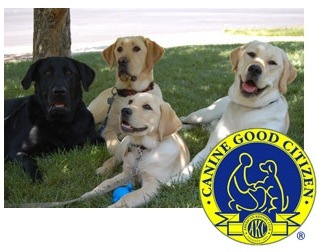
CGC or canine good citizen is a great way to let your community know that your dog is well behaved and can be respected in your city. If you are moving in to a new building a CGC certified dogs are starting to be a requirement. The CGC test involves sit, down, walking comfortably meaning left/right turn, meeting strangers, meeting strange dogs, stay and come behaviors, they need to accustomed to distractions (loud noises or skate boards rolling by)
and finally your dog needs to be left with a stranger for 3 minutes. Everything must be completed with your dog being calm and relaxed and under control. They need to show discipline and that they can follow commands. Your dog must be at least 1 year old to take the test and after the CGC test your dog has more opportunities to receive other certifications like being therapy dog certified.

If you are interested in CGC testing and need lessons contact your local trainer.

If you are in Key Biscayne, FL

Contact: Alexa Holloway
3057100502

20130506-125913.jpg

How to Sit


Sitting is a fundamental behavior in obedience training. This should be starting right when you get your dog. There are many ways of starting the process but today we will learn how to use positive reinforcement training to do “sit”.

Bring your dogs favorite training treats and get your dog positioned in front of you. We will use a verbal signal paired with with a hand signal. Say the word “sit” and move your hand with a treat in it from your dogs face back toward their back. Your dog will begin to follow your treat and naturally fall back and sit, the second your dog sits say ” good” and reinforce that behavior. Do it again and again, reinforcing only when they completely sit. That is key because if you say good and they are not sitting they will take advantage of your mistake and do less and less . So only reinforce behaviors when it is complete also reinforce immediately. The probability of a behavior reoccurring is increased by the immediacy of the reinforcing.
Now if your dog doesn’t emit sit we will LRS. It is called the least reinforcing stimulus . It is like a 3 second time-out. All you do is ignore the wrong behavior. So you say sit and he always sits and now you say sit and they are still standing. Ignore that behavior which lets your dog know something is not right and then ask again.

Sit is an important behavior. It is the “gateway” behavior to a world of other behaviors. I personally don’t let any of my dog clients get freebies. Before they go for a walk I ask them to sit whilst the leash goes on. When I come home and the dog runs to greet me I say sit immediately.
Let sit work for you!

20130506-130237.jpg

Barking part 2


I say this everyday but set your dog up for success. Barking is no exception!! Here are some key tips to eliminating barking.

Limit space:

If your dog is already crate trained that’s perfect but if not allowing your dog access to loud hallway noise, neighbors chatting and moving trucks , it’s best for them not to be waiting at the door for noises.

Sound:

Leave your tv on or the radio . This works two ways. It really drowns out the noise from outside and incase your dog happens to bark or whine it drowns them out as well.

Windows:

Windows can be a huge barking problem. Eliminate the temptation by putting up the curtains. Until you have a trainer come in help slowly adjusting your dog to ignoring objects outside. The windows have to covered. ( this is a whole other topic).

Toys:

So important! Make the home exciting and stimulating.

Remember you can not expect results if you don’t set yourself and your dog up for success.

20130506-130827.jpg

How to fix barking


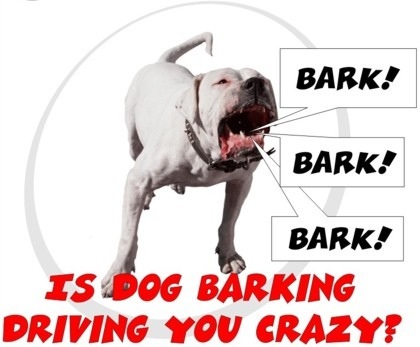
Dogs have many different types of barks. There is barking out of fear, aggression barking, warning barking, and attention barking and barking out of excitement. Once you recognize what type of bark your dog emits it is actually easy to address the issue.

What if I told you that one way to solve a basic barking problem is by teaching your dog to bark! On the surface this sounds bizarre but there are great training benefits.

Barking, like all my topics, is a multifaceted topic. So today we will focus on barking on command and quiet on command. Then Monday the focus will be on how to set your dog up for success in barking.

Barking on command: bring some treats with you and find a quiet space. Ask you dog to ” speak” using a verbal command or pair it with an open hand signal. When your dog starts to bark say good and reinforce them with a treat in front of their face. Once your dog is consistent with this behavior when you ask them to “speak” ask them to “quiet”. After they bark put the treat in front of them and say “quiet” or you can also pair it with a hand signal ( shut your right fingers together). If they are quiet reinforce them. Continue everyday on this behavior. Eventually if your dog is barking you can ask them to quiet and since it us now a learned behavior the dog will quiet!
Remember like all positive reinforcement training this takes patience and time. Also giving the treat to your dog at the correct moment . This is the hardest part of training to make sure you reinforce at the right time. With these techniques your dog will or should I say will not be barking any time soon .

20130506-130915.jpg