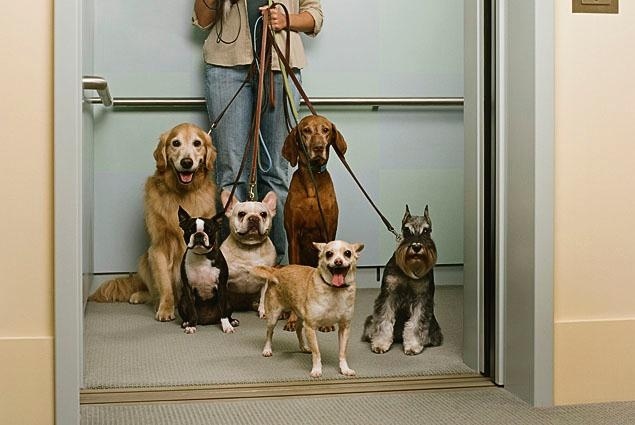
Dog whines or barks in the elevator


If your dog is whining or barking in an elevator. You need to desensitize him to it. This doesn’t mean use the elevator more and more however. When you are entering into the elevator ( you know the dog is going to be uncomfortable) so bring treats with you and set your dog up for success. When you enter the elevator before the dog whines reinforce with a treat. Then ask for the basics sit or down and reinforce them if they do it. By the time the doors open your dog will have been reinforced several times in the elevator. Do this every time you go into the elevator!!! No skipping. If you can monitor your dogs progress and maintain this training, your dog will start running into the elevator because it is so reinforcing!

Like always small simple steps and obedience is the key. If they are focusing on you other distractions,no matter how uncomfortable, will slowly diminish.

20130510-101856.jpg

Dog will not respond to “come” anymore


The problem: a dog used to respond to “come” but when the dog got sick the owner used “come” to give the dog the meds. Now the dog will not respond to “come”.

Solution: the dog is obviously associating the word “come” with negative feelings. This can happen to anyone but to fix the problem is not impossible.

Change your sd ( Discriminative stimuli (sd) such as signals, targets, and cues).

In other words use a different word . The association with “come” is now extinguished and the use of a different word is now needed. Some great words besides “come” are : here or now.

Remember that the cue words are for you. You can use the word ” balloon” and you will get the same response. Is it the training that counts here not the word. Remember that !!

So now start from the beginning. Ask your dog to sit, step two steps back and say “here”. If they respond reinforce and repeat. So you are retraining the behavior.

Trainer errors are tough to fix and they are frustrating because you know it occurred do to a mistake you ( the owner) made. But it’s ok that’s life, be positive and learn from your mistakes.

20130509-120225.jpg

Shaping a behavior


Shaping a behavior scientifically means

“Systematically reinforcing each successive step to move an individual closer to the desired behaviors.”

Or in other words it is reinforcing small approximations or steps until you have the desired behavior you want. I like shaping behaviors because it is what separates the trainers from each other. In training I believe animals should learn all their behaviors by thinking fir themselves and then doing. It is incredible to see a dog thinking about a behavior and emitting what you want. You both feel accomplished! Now this doesn’t just happen it takes time .

Starting new behaviors with a dog is such a bonding experience. If you wanted to train a “jump” behavior. You need to shape the behavior to your criteria ( goal ie. specific height or style).

So to start don’t expect your dog just to jump over a stick especially if your breed is not a jumping breed of dog. So start shaping! Place the stick on the floor and call your dog, when they walk over the stick reinforce that behavior. Now lift the stick just a little and ask jump again. If your dog goes over the stick reinforce again. You are now shaping the jump behavior adding height and style. Remember that training is addictive ( especially if you are getting results) so be reasonable with your dog and don’t push your trains. It is better to do multiple little trains then long trains that could discourage your dog if you hit a wall. This is where the saying ” ignore undesired behaviors” comes in.

The way you shape a behavior will show in your dog. So work slowly, know what you want the behavior to look like and train it.

Happy Training

20130508-160708.jpg

Fear of people


Dogs that have a fear of people can be a tough to handle. You want your dog to be playful but for whatever the reason ( ie your dogs are rescues) they are scared. Here are some tips to help with getting your dog to be more approachable.

Sit on you sofa bring some treats with you and have them readily available. Don’t move over to your dog, let them slowly come to you. Don’t even coax your dog over, everything with people fears need to be on you dogs own terms. Once your dogs gets with in hands distance show the treat in on open hand on the floor. Slowly your dog will come to and take. Then do it again. Remain very calm and anytime your dog comes up to you, reinforce. Our goal is to make you ( the person) the most reinforcing thing to your dog. Don’t every yell or punish a fearful dog. Also being on your dogs level is a great way to share the playing field. Try sitting on your floor with treats and if your dog comes over calmly( bring extra treats) and while they try to eat the treats very calming pet them.

This should also happen with your friends. Tell your friends to just relax and wait for the dog to come to them. Remember also that outside noises and people will also affect your dog. So go out on days that are not busy and reinforce your dog for remaining calm when you both see someone.

Don’t reinforce your dog if they are exhibiting fear and remember be patient with you dog. If things are on their terms you dog will ease into their new home and meeting new people.

Happy training!!

20130507-114146.jpg

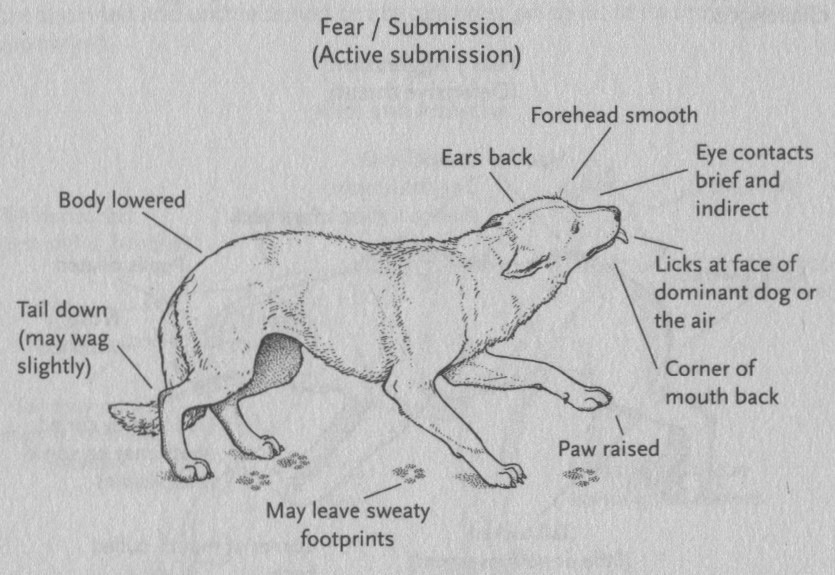
Fear in dogs and how to treat the various types of fears


Fear in dogs can be misdiagnosed. Fear can come from a variety of reasons:
1) genetically: dog has a family history of fear
2) fear from circumstance : something in the past has attributed to the fear. ie- dog gets bitten by a another dog and now has developed a fear of dogs.
3) fear based on socialization: a dog that has not been desensitized to people , dogs , objects etc. ie a dog that has never seen a skateboard may shy away or run when a skateboard rolls by.

Reactions to fear :

Dogs react to the different fear types in many different ways

1) scared: probably the most obvious reaction. Dogs will run away from an object or person(s), creating distance from themselves am the object of their fear.

2) lake of motion: another obvious reaction is freezing. The dog will express their fear my standing still ( motionless)

3) fidgeting: this one is less obvious but just as common. Dogs will start expressing their fear through sniffing, eating, digging or scratching.

4) AGGRESSION: this is the fear that is expressed by showing digns of aggression. How works is the dog will bark aggressively or snarl to create distance between themselves and the fear provoking stimulus. (objects people other dogs). Remember that there is an underlying reason for every reaction a dog has. Not every barking or aggressive dog is exhibiting a fear response. That why this particular problem is tough to diagnose.

How to treat:

Treating fear is a slow process. When treating fear some great suggestions are exercise. Physically stimulating your dog helps to release those endorphins and help bring them calm . Also mental stimulation always comes into play. This is why I always tell people to train their dog in basic obedience training. When your dog knows the basics it helps with redirecting and distracting them from uncomfortable stimuli. Remember that fear should be treated with positive reinforcement training. Do not use adversives or dominance training for this since their is a probably that their fear will only be exacerbated.

Fear is complicated! Like all my training advice, this will take a lot of time and patience. I will use specific examples of real life fear situations all this week to explain step by step process of treating fear.

20130506-125116.jpg